
Understanding Total Landed Cost
Many importers focus exclusively on FOB (Free On Board) price when comparing suppliers. This is a mistake. The FOB price is typically only 55-70% of your total landed cost. The remaining 30-45% comprises shipping, insurance, duties, customs brokerage, inland transportation, and warehousing. Optimizing these components can deliver cost savings that far exceed what you can achieve through supplier price negotiation alone.
Total Landed Cost = FOB Price + Ocean Freight + Insurance + Import Duty + Customs Brokerage + Port Charges + Inland Transport + Warehousing
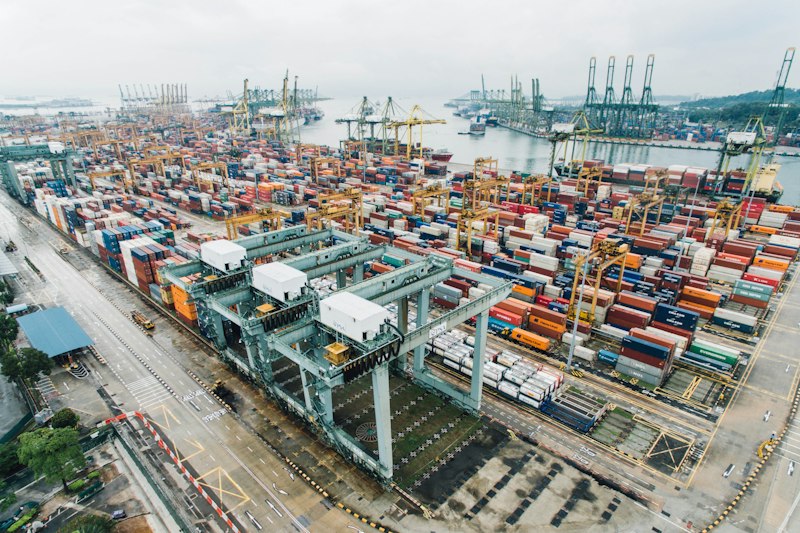
Strategy 1: Optimize Container Utilization
Ocean freight is priced per container, not per pump. Maximizing container utilization is the single most powerful cost reduction lever:
| Container Type | Internal Volume | Typical Pump Units (4" submersible) | Cost per Unit (at $3,000/container) |
|---|---|---|---|
| 20ft GP | 33 m3 | 200-300 | $10-15/unit |
| 40ft GP | 67 m3 | 450-650 | $4.60-6.70/unit |
| 40ft HQ | 76 m3 | 500-750 | $4-6/unit |
The 40ft container reduces shipping cost per unit by 55-70% compared to a 20ft container. Always maximize container fill.
Strategy 2: Choose the Right Incoterm
| Incoterm | Best For | Risk/Opportunity |
|---|---|---|
| FOB (Free On Board) | Experienced importers with freight forwarder relationships | You control shipping; may save 10-20% vs supplier-arranged freight |
| CIF (Cost, Insurance, Freight) | First-time importers, small shipments | Convenient but supplier typically marks up freight 15-25% |
| EXW (Ex Works) | Importers with China-based logistics team | Maximum control over all costs, but requires local logistics capability |
| DAP (Delivered at Place) | Door-to-door convenience | Highest supplier margin; least cost control |
Strategy 3: Duty Engineering and Tariff Classification
Correct HS code classification can mean the difference between 0% and 10%+ duty rates. Water pumps fall under HS Chapter 8413. Key considerations:
- Subheading matters: 8413.70 (other centrifugal pumps) vs 8413.60 (rotary positive displacement) have different duty rates in many countries
- Use ruling requests: If there is ambiguity, request a binding tariff classification ruling from customs before importing
- Free trade agreements: Check if your country has an FTA with China. ASEAN-China FTA, RCEP, and bilateral agreements can reduce duties to 0% for qualifying products
- Spare parts: Classified separately from complete pumps and often carry lower duty rates
Strategy 4-10: Additional Cost Optimization Tactics
- Consolidate shipments: Combine orders from multiple suppliers into a single container through a consolidation warehouse in China. Reduces per-unit shipping by 30-50%.
- Negotiate freight contracts annually: Spot rates fluctuate. Annual contracts with minimum volume commitments typically save 15-25% vs spot market rates.
- Use the right freight forwarder: Specialized pump forwarders understand the product (heavy, needing careful handling) and have appropriate insurance relationships. They cost slightly more but prevent expensive damage claims.
- Optimize packaging: Re-engineer packaging to reduce volume. Even a 10% volume reduction saves 10% on freight. Flat-pack pump components (motor separate from pump end) can reduce volume significantly.
- Warehouse strategically: Duty-free zones and bonded warehouses allow you to defer duty payment until goods are sold, improving cash flow.
- Insure correctly: Marine insurance is cheap (~0.3% of cargo value). File the declaration of value accurately — under-declaring to save on insurance premium invalidates your coverage.
- Monitor demurrage and detention: Port demurrage (container waiting at port) and detention (container kept beyond free days) can erase months of margin. Have a logistics timeline and stick to it.
Sample Cost Comparison: Optimized vs Unoptimized
| Cost Component | Unoptimized Import | Optimized Import | Saving |
|---|---|---|---|
| FOB Price (100 pumps) | $15,000 | $15,000 (same) | $0 |
| Ocean Freight | $3,200 (20ft, spot rate) | $1,900 (40ft, contract rate, prorated) | $1,300 |
| Insurance | $55 | $50 | $5 |
| Import Duty (5%) | $913 | $913 (correct classification) | $0 |
| Customs Brokerage | $350 | $250 (annual contract) | $100 |
| Inland Transport | $850 | $650 (consolidated routes) | $200 |
| Total Landed Cost | $20,368 | $18,763 | $1,605 (7.9%) |
NOVAPUMP supports our international distributors with container optimization, preferred freight forwarder relationships, and HS code classification guidance. Contact us to discuss how we can help reduce your import costs.
Creating a Systematic Import Cost Optimization Framework
Leading pump importers approach cost optimization as a continuous improvement process rather than a one-time effort. They track total landed cost per pump unit monthly, benchmark against industry averages, and set quarterly cost reduction targets across all cost components — not just FOB price negotiation. This systematic approach typically yields 5-8% annual total cost reductions, compounding to 25-40% reductions over a five-year period.
Technology tools also play an increasingly important role in import cost optimization. Freight rate comparison platforms, automated customs duty calculators, and container utilization optimization software enable importers to make data-driven logistics decisions that were previously based on intuition and relationships. Importers who invest in these tools and the analytical capabilities to use them effectively gain a measurable cost advantage over competitors who continue to manage import logistics through spreadsheets and phone calls to freight forwarders.
Related Articles
- Pump Total Cost of Ownership (TCO) Calculator Guide 2026: How B2B Buyers Reduce Hidden Operational Costs
- Industrial Pump Warranty & After-Sales Service Standards 2026: What Global B2B Buyers Should Demand from Manufacturers
- Vertical Turbine Pumps Selection Guide 2026: Deep Well & Municipal Water Supply Applications for B2B Buyers